⚡ Scroll down to read our full in-depth review! 👇
📚 50 Electronics Projects Book Review
Table of Contents
- Introduction
- Key Features & In-Depth Analysis
- The Reality Check (Drawbacks)
- Amazon Customer Ratings
- Latest Price & Deals on Amazon
- TrendFollower Verdict
Introduction
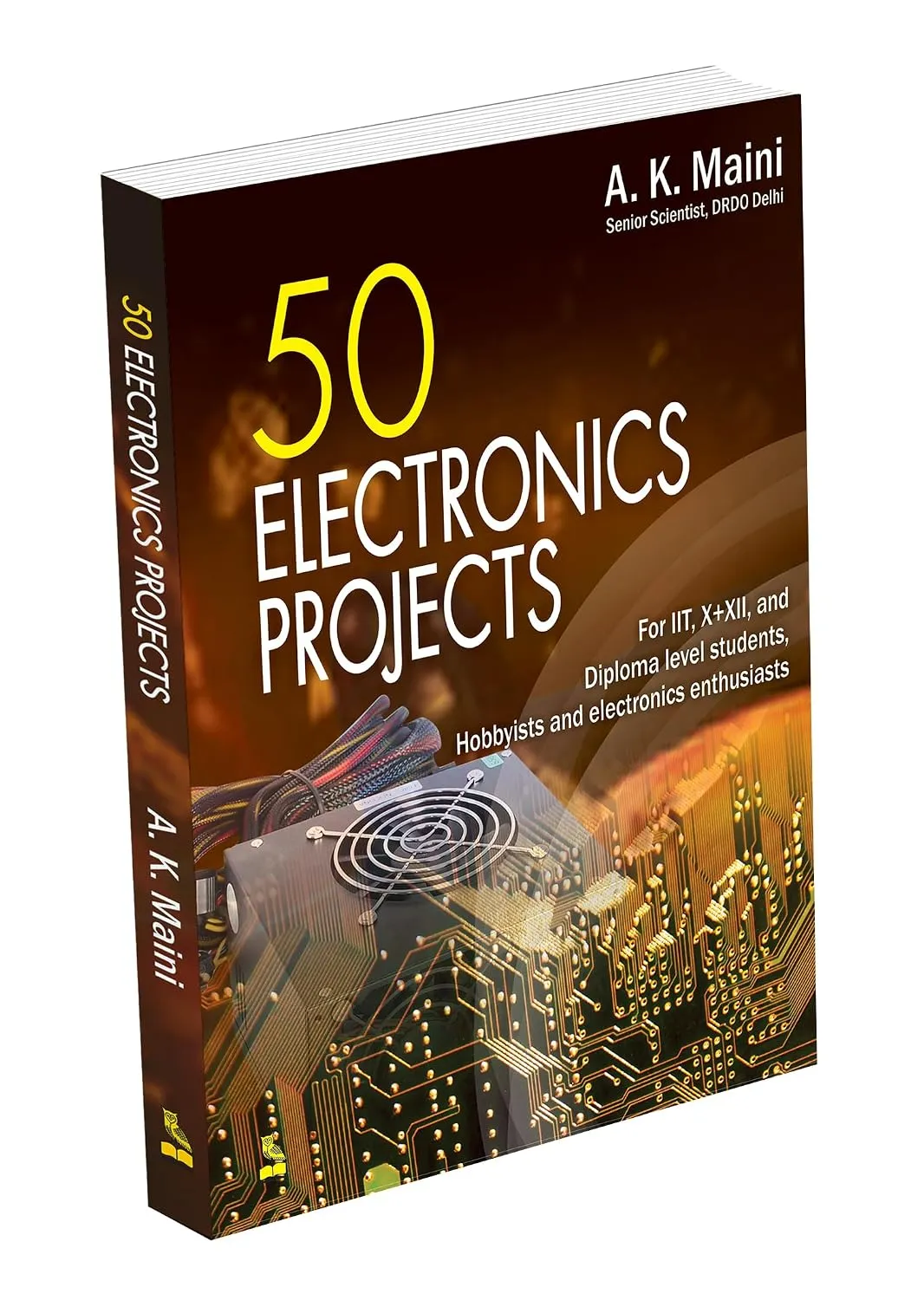
If you’re diving into electronics and searching for a book to guide you through practical projects, 50 Electronics Projects might have caught your eye. Published by Pustak Mahal and aimed at both beginners and advanced enthusiasts, this book promises hands-on learning with interesting project ideas. But does it truly live up to its claims, or is it just another addition to the overcrowded bookshelf? Let’s find out.
Key Features & In-Depth Analysis
Here’s what the book offers and how it stacks up based on its features and real-world user feedback:
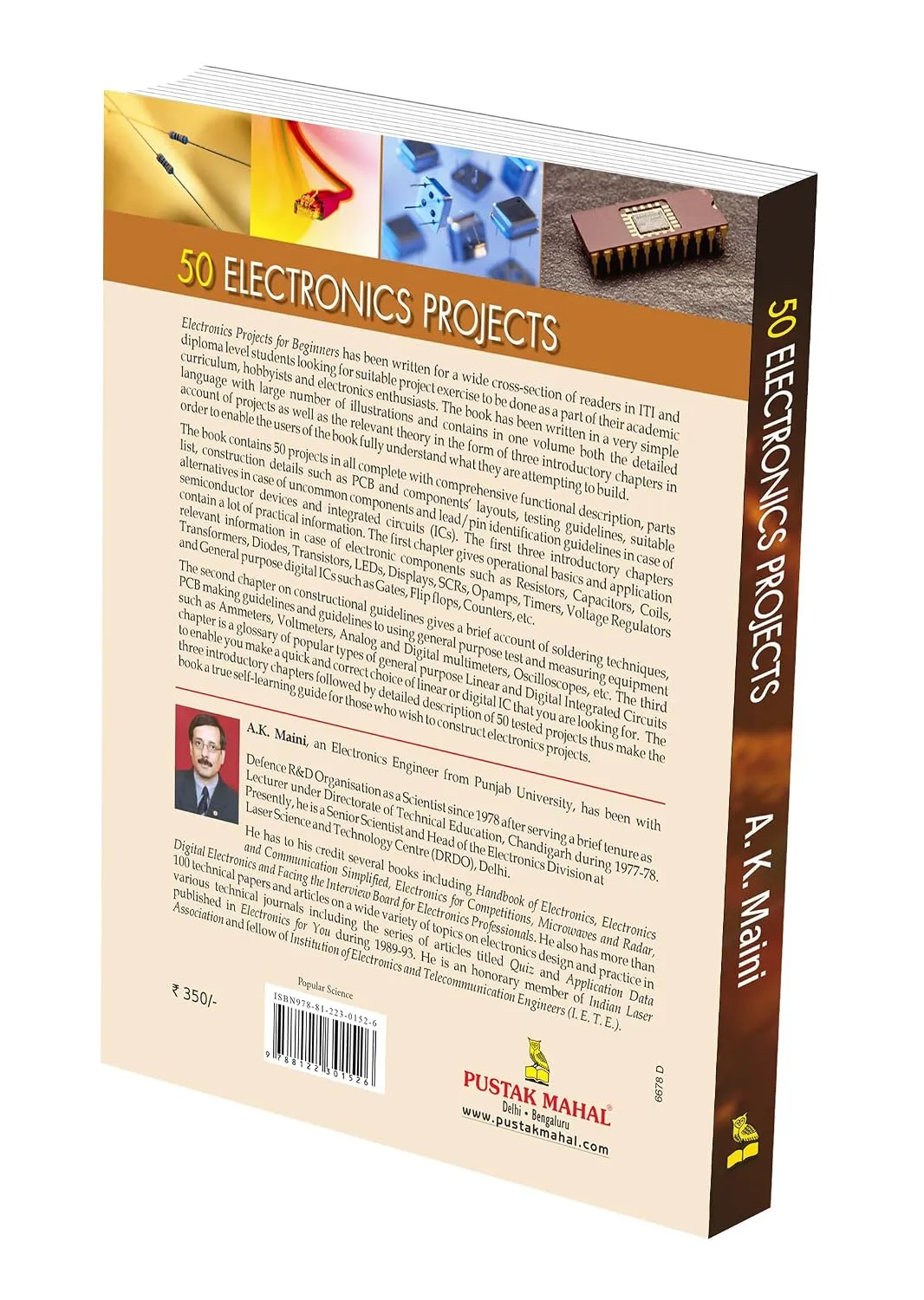
- Publisher & Print Quality: Published by Pustak Mahal, this first edition book has a decent print quality, a length of 295 pages, and weighs 511 grams. Users have not reported any issues with the physical quality of the book.
- Beginner-Friendly Projects: Some reviews, like one user who called it “one of the best books for beginners,” praise its clear explanations and practical circuits. If you’re a novice seeking to understand basics or experiment with electronics, this book could be helpful.
- Practical Applications: A standout feature is the inclusion of projects with real-world applications, such as building your own equipment like power supplies or voltmeters. Another review highlighted that these projects can help improve understanding of components and their uses.
- Focus on Integrated Circuits (ICs): The book heavily leans on IC-based projects. While this simplifies some aspects for beginners, it might not satisfy those looking for transistor-based experiments or more traditional approaches.
- Outdated Content: Unfortunately, some users noted that the book’s content feels outdated, which might be a limitation for those looking for projects using current technologies.
The Reality Check (Drawbacks)
No product is perfect, and this book is no exception. Here are the limitations based on customer reviews:
- Too Much Theory: Several users complained that the book includes more theory than practical guidance. For example, one user noted, “It does not guide you to work on small projects; just theory mostly.” This could be a letdown if you’re looking for a hands-on approach.
- Advanced Difficulty: While advertised for beginners, some reviewers found the book too complicated. A user mentioned that the projects are more suitable for advanced students or third-year engineering students rather than hobbyists.
- Lack of Basics: A recurring critique is the absence of foundational explanations. For instance, someone pointed out that it doesn’t start from the basics, such as vacuum tubes or transistor-based experiments.
- Outdated Material: Another major complaint is that the book’s content is not aligned with modern technology, as one user put it bluntly: “This content of this book was so outdated.”
Amazon Customer Ratings
| Rating | Percentage |
|---|---|
| 5 Stars | 46% |
| 4 Stars | 24% |
| 3 Stars | 13% |
| 2 Stars | 8% |
| 1 Star | 9% |
Latest Price & Deals on Amazon
TrendFollower Verdict
📊 TrendFollower Verdict
- Build & Design: 4/5
- Utility/Performance: 3.5/5
- Value for Money: 4/5
- Overall Score: ⭐⭐⭐⭐ (3.8/5)
- Why stars were awarded: The book delivers value with practical projects, clear instructions, and affordable pricing.
- Why stars were deducted: Outdated content, limited beginner-friendliness, and an excess of theory over practical guidance hold it back.
Comments
Post a Comment